OUR NEIGHBORHOOD
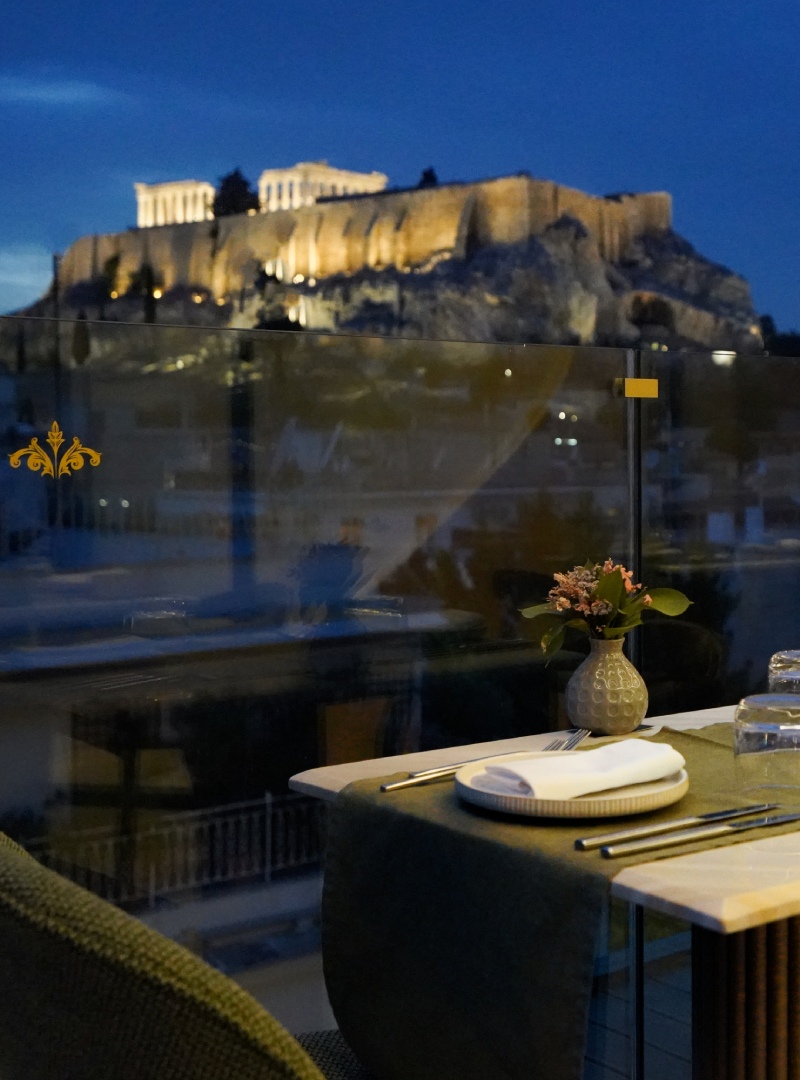
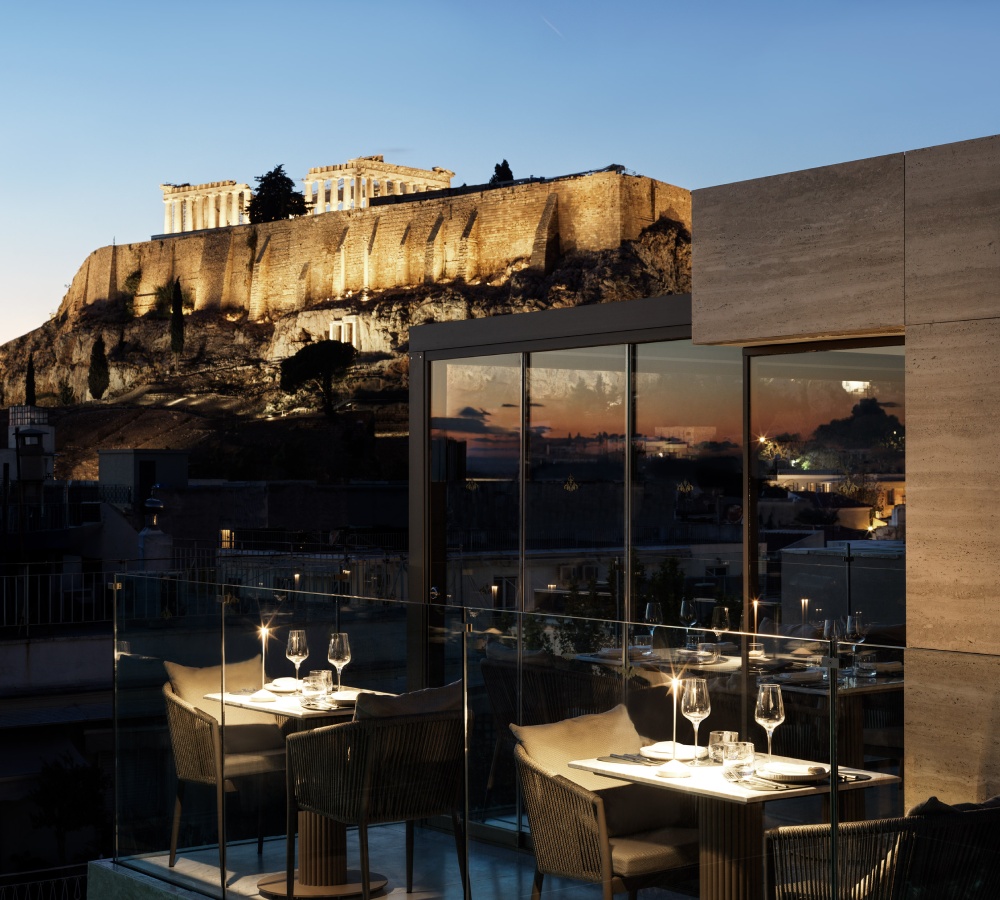
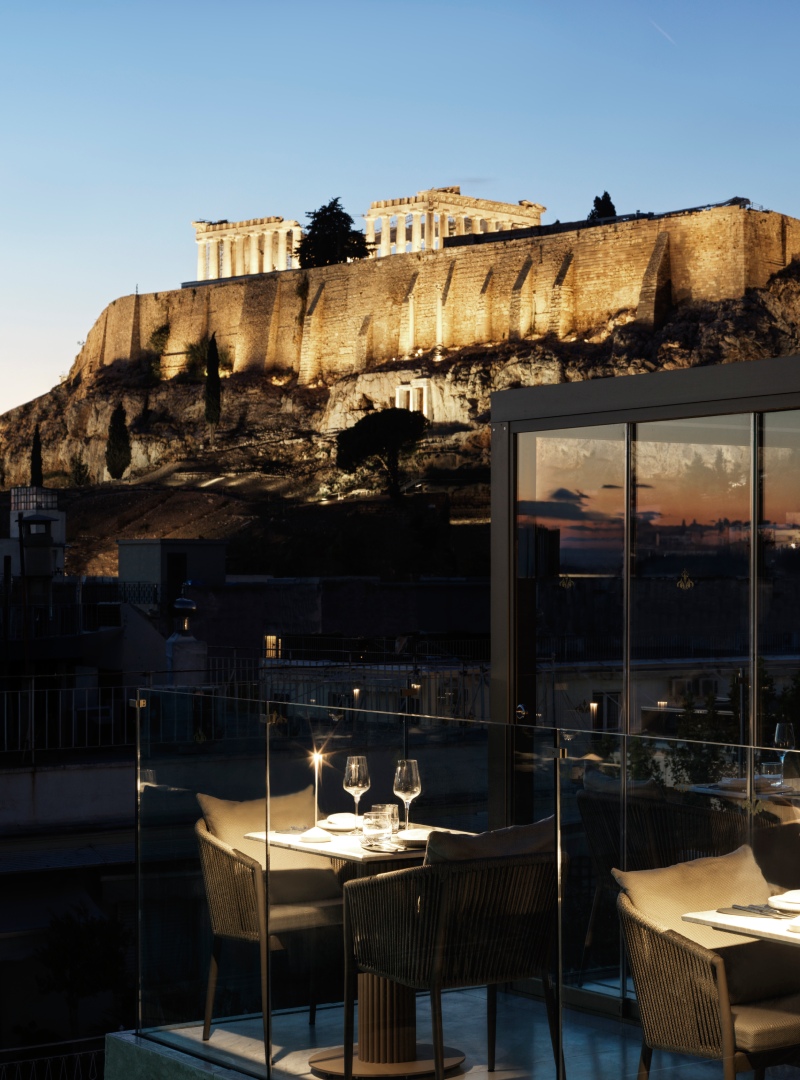
The Acropolis — “high city” in ancient Greek — rises like a timeless sentinel on a rocky hill over Athens. This sacred citadel, crowned with architectural marvels like the Parthenon, Erechtheion, and Temple of Athena Nike, embodies the golden age of classical Greece. These structures date back to the 5th century BC and symbolize the peak of ancient Athenian civilization, dedicated to the goddess Athena. The Acropolis offers visitors a captivating journey into the past, showcasing not only remarkable marble temples and statues but also panoramic views of Athens. It stands as a testament to the city’s cultural and historical significance, attracting millions of tourists annually.
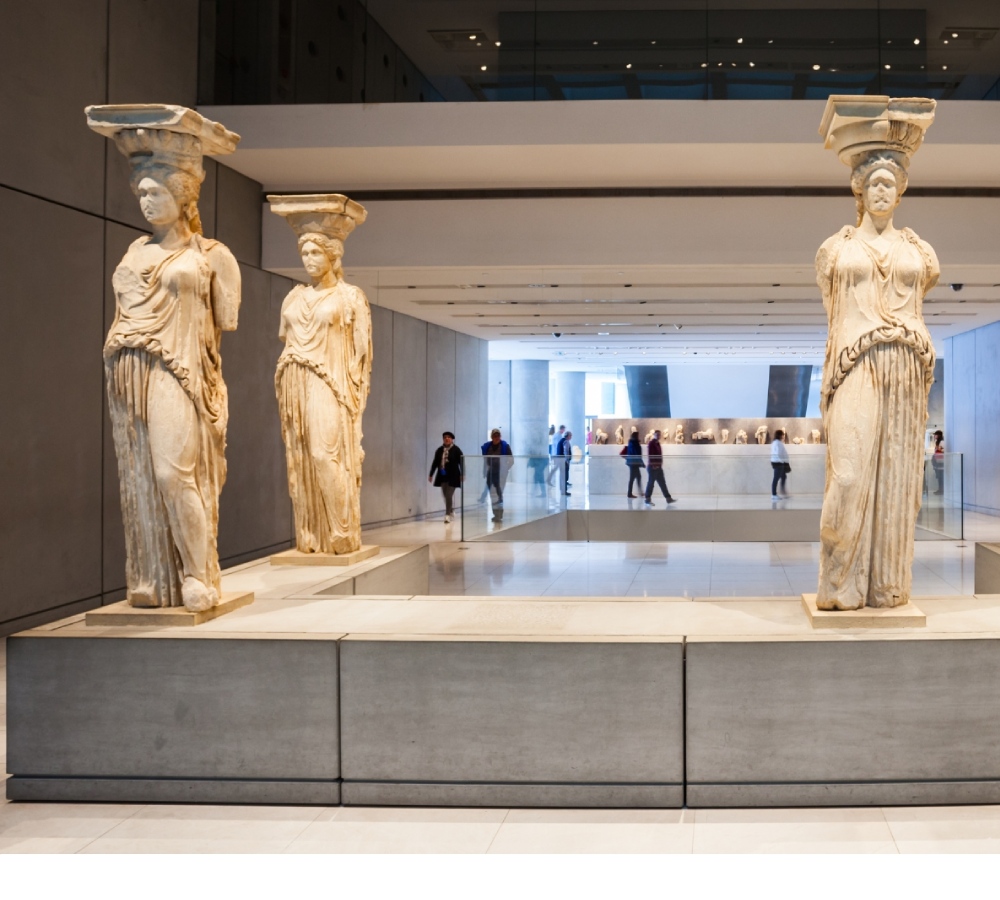
The New Acropolis Museum was inaugurated in 2009 to exhibit the extensive collection of artifacts unearthed from the Acropolis archaeological site. Located at the foot of the Acropolis itself, this modern museum is designed to complement and enhance the visitor experience of the ancient citadel. Its galleries display over 4,000 objects, including sculptures, pottery, and votive offerings, spanning several millennia of Athenian history. The museum’s crowning glory is the Parthenon Gallery, where the original frieze and metopes from the Parthenon are showcased in a layout that mirrors the dimensions and orientation of the temple on the Acropolis. The New Acropolis Museum is not only a repository of ancient treasures but also an educational institution that elucidates the significance of the Acropolis as a religious centre and beacon of classical art and architecture.
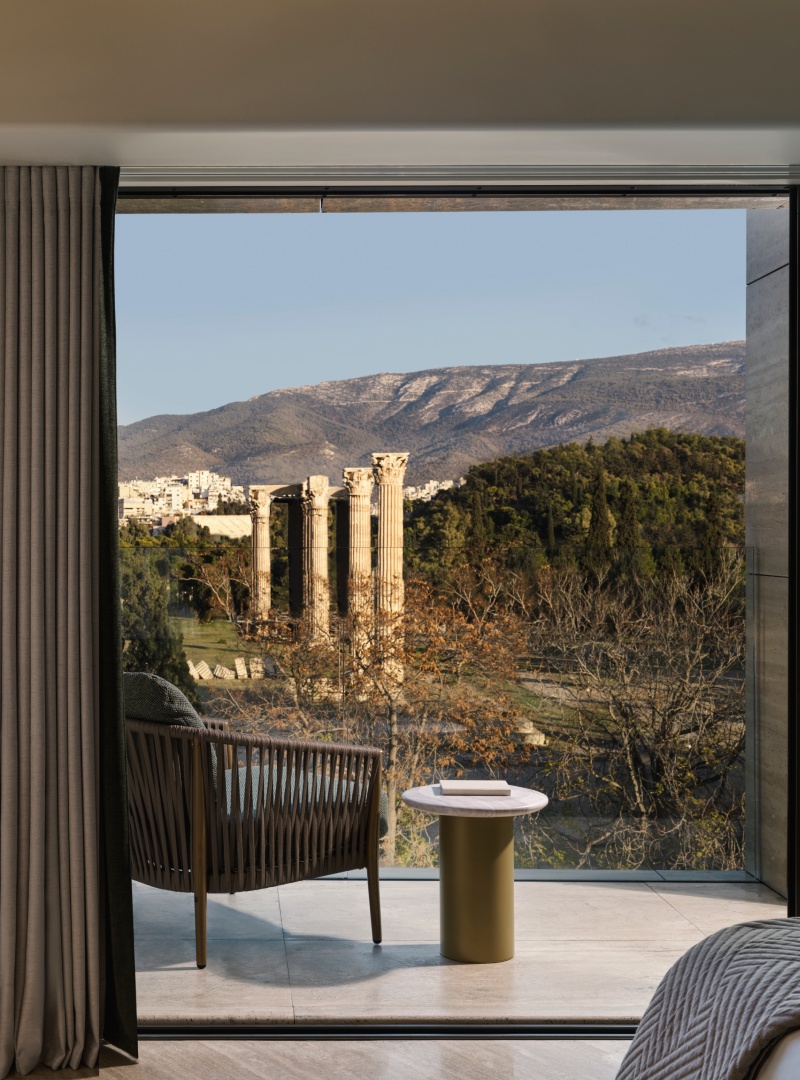
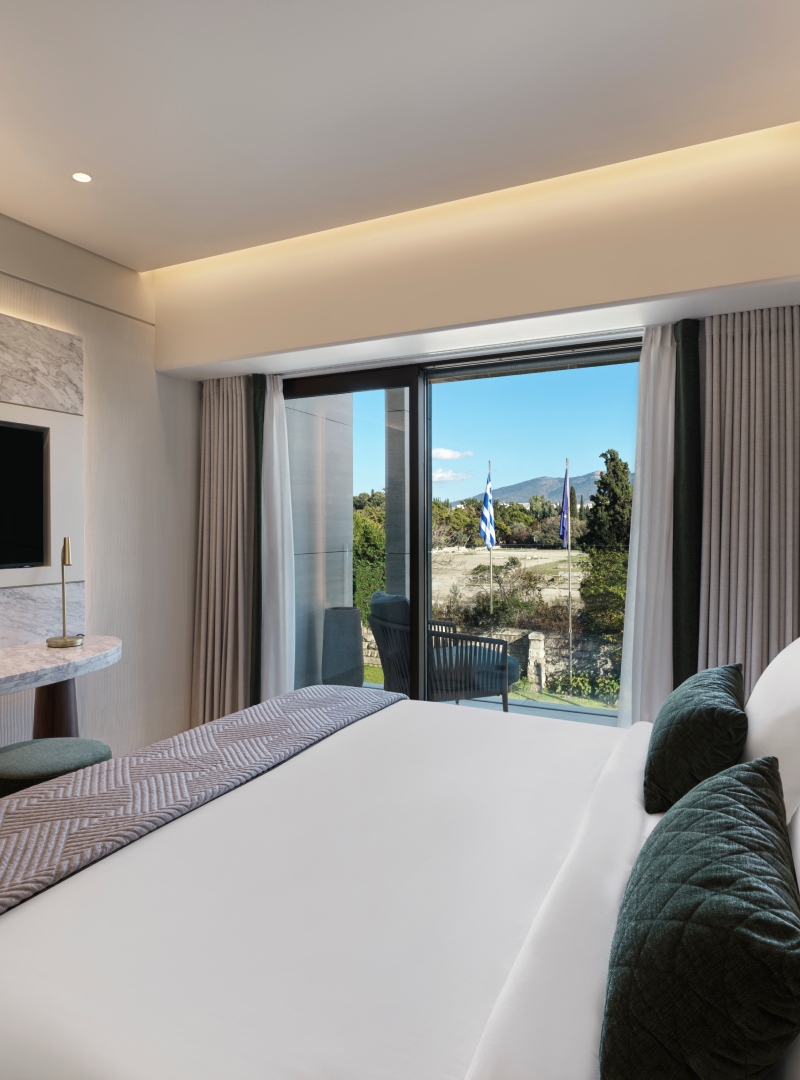
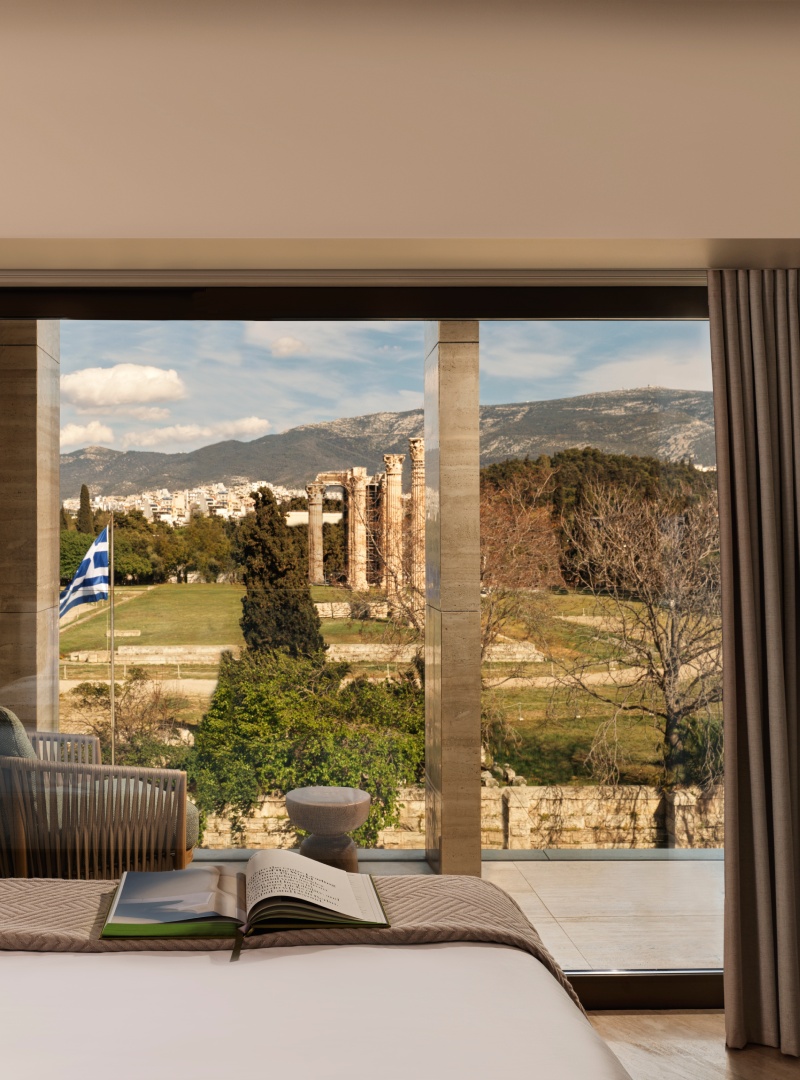
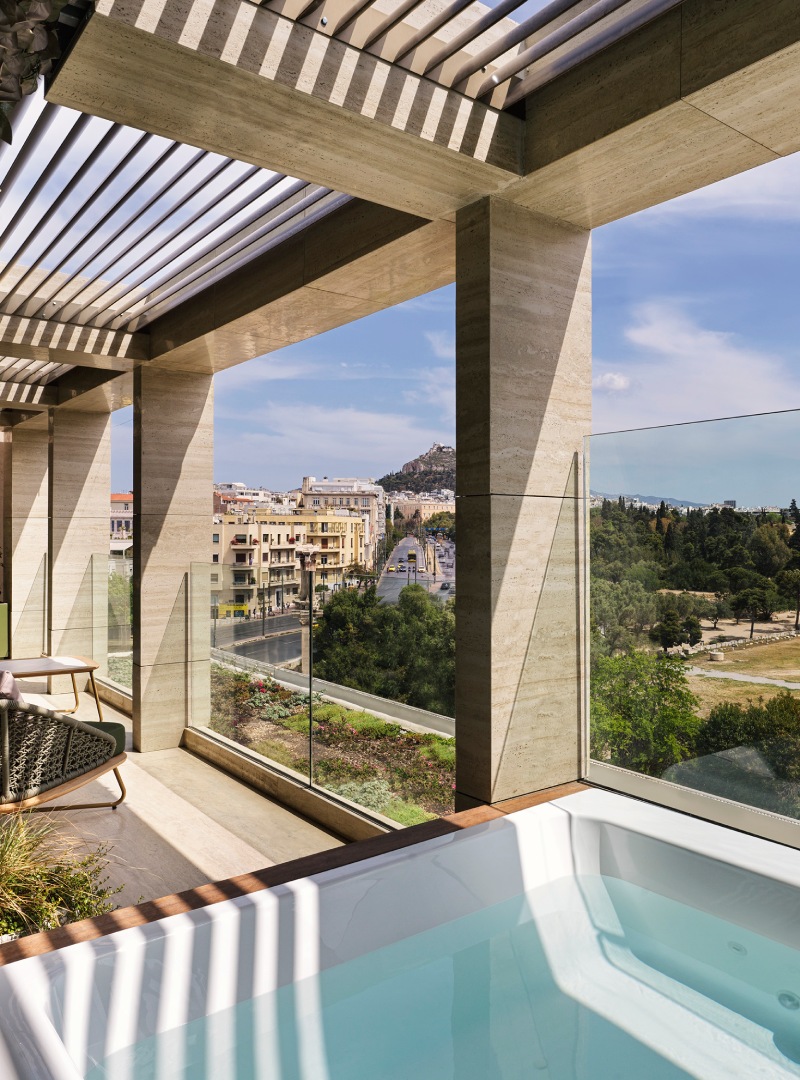
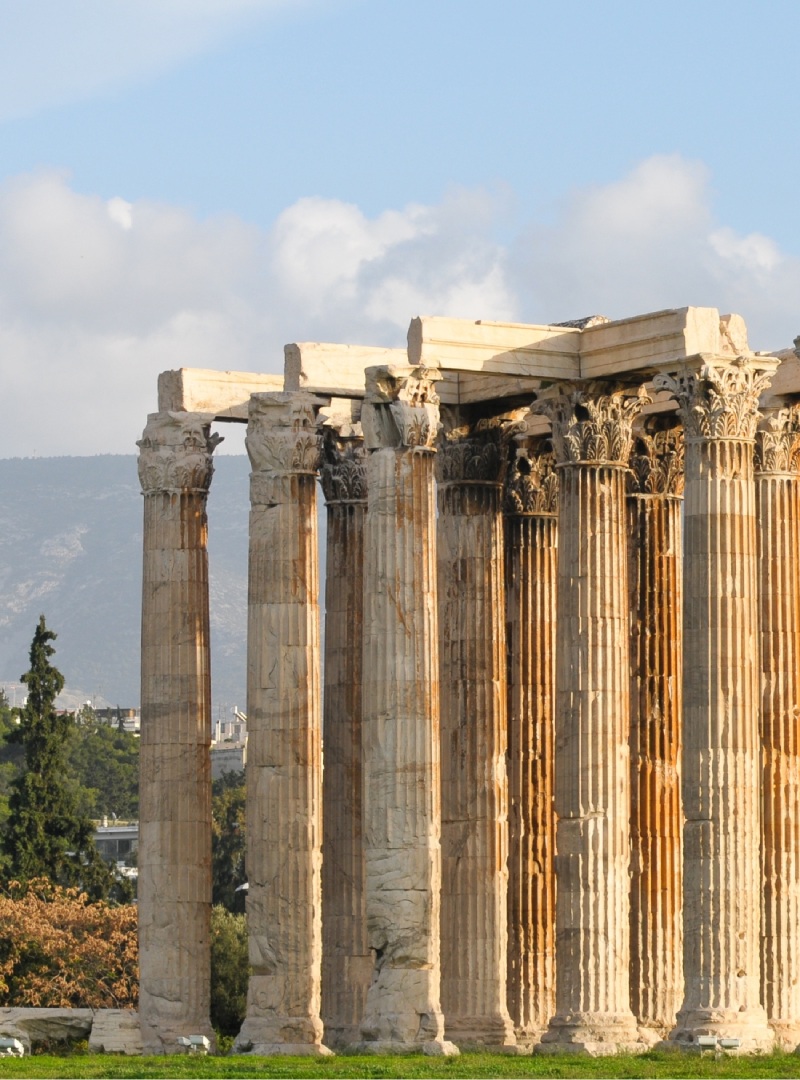
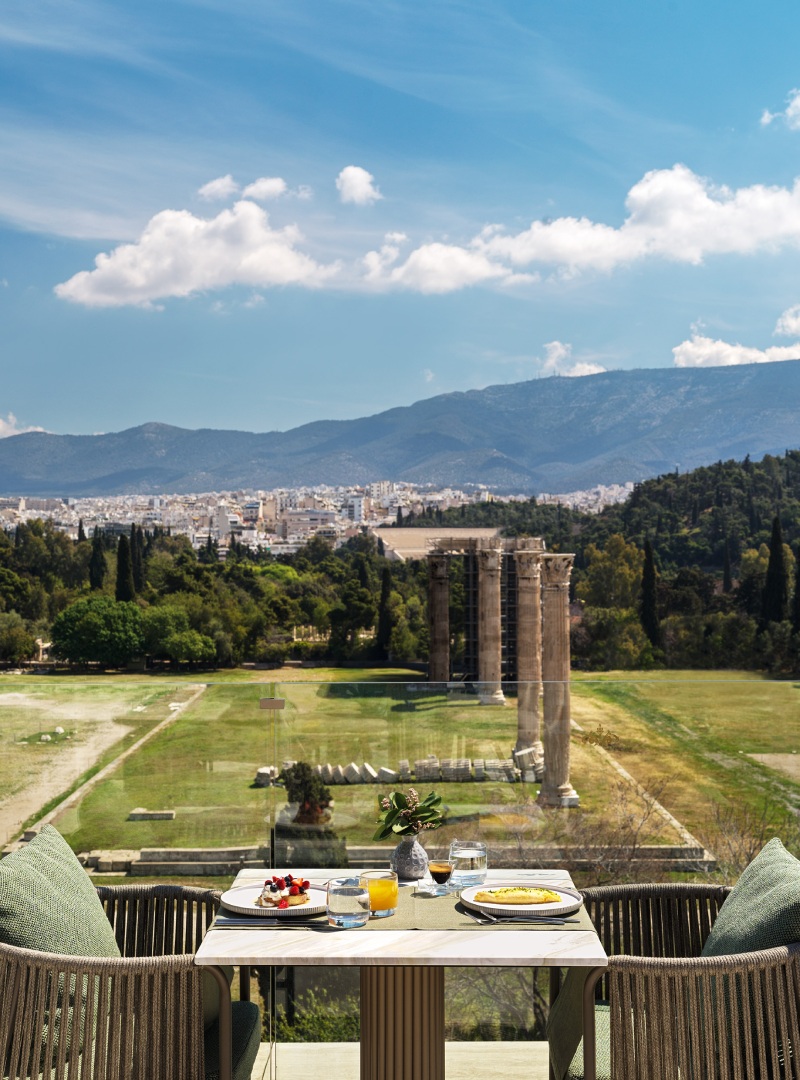
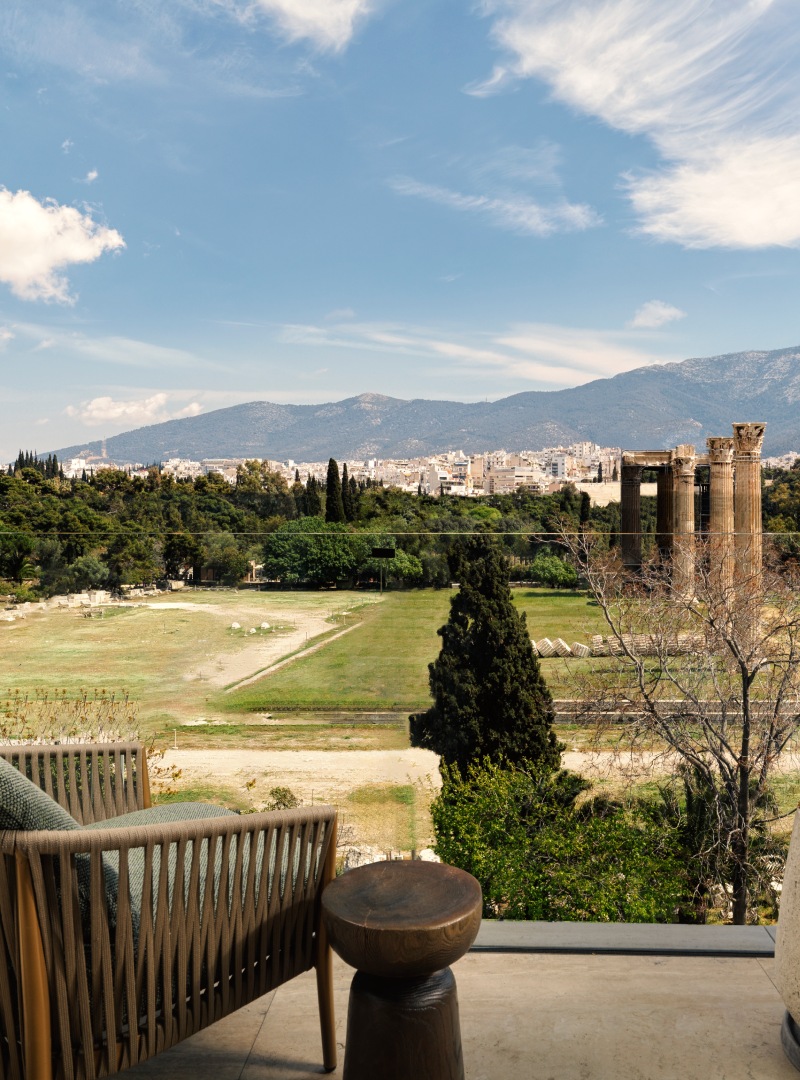
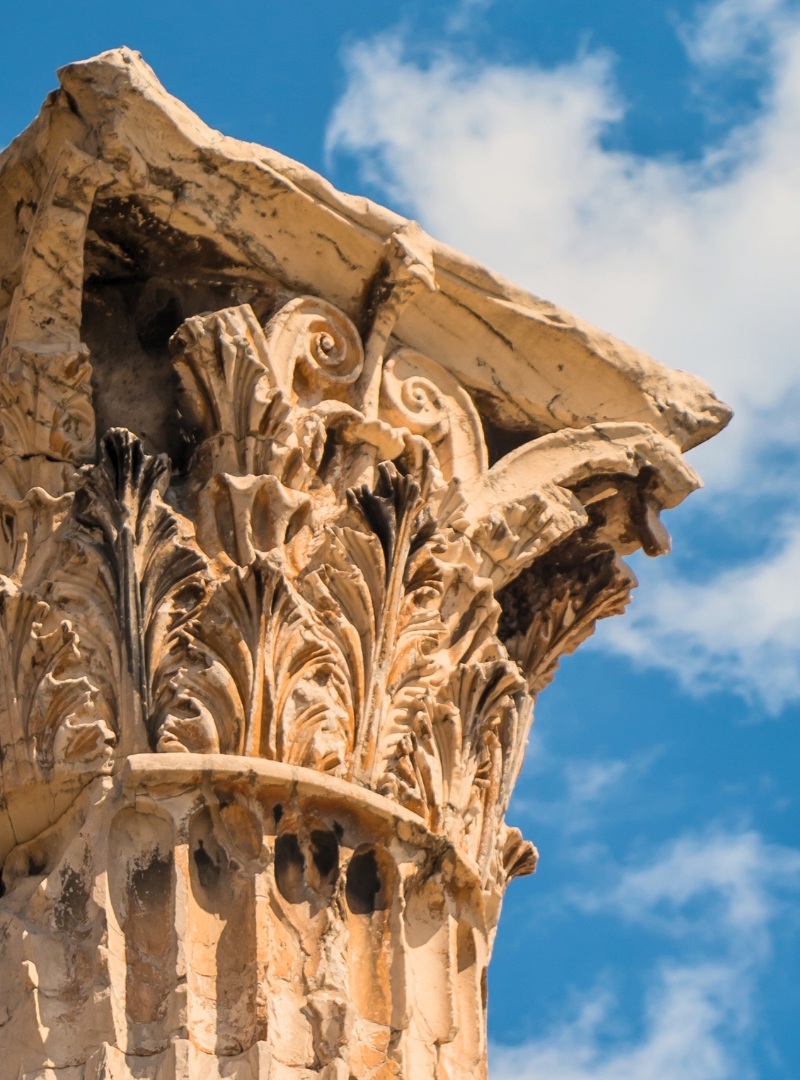
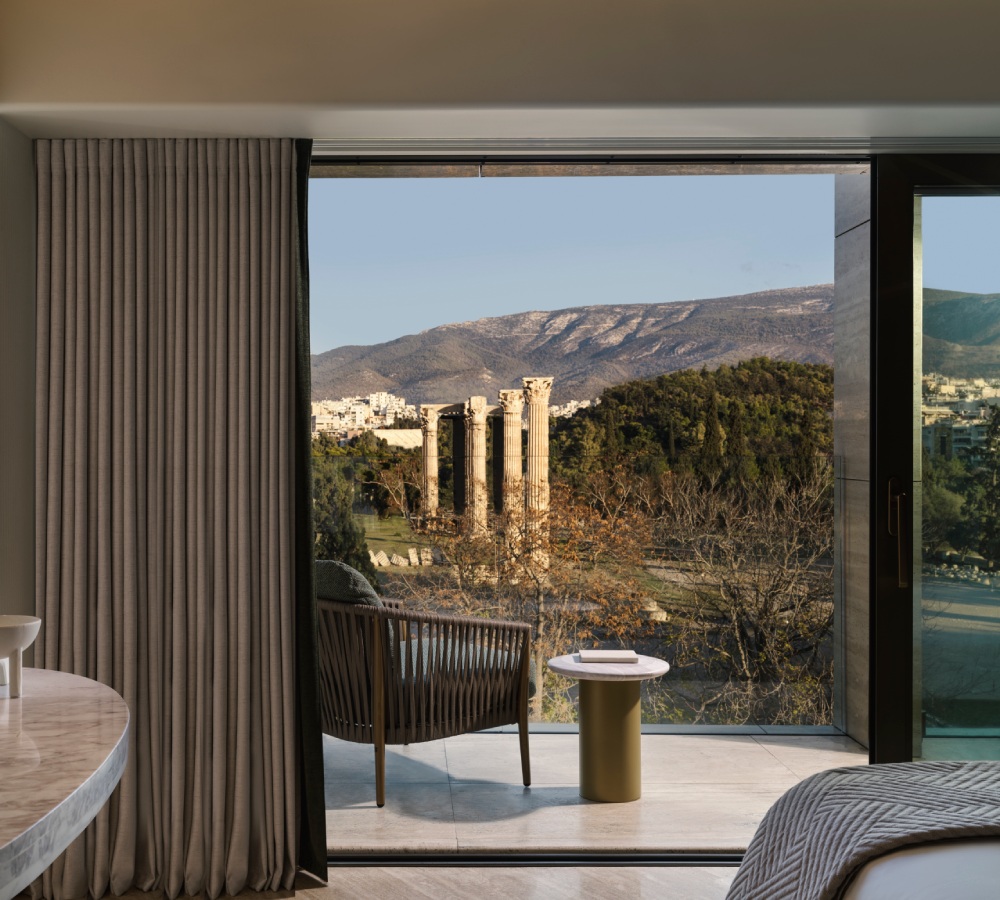
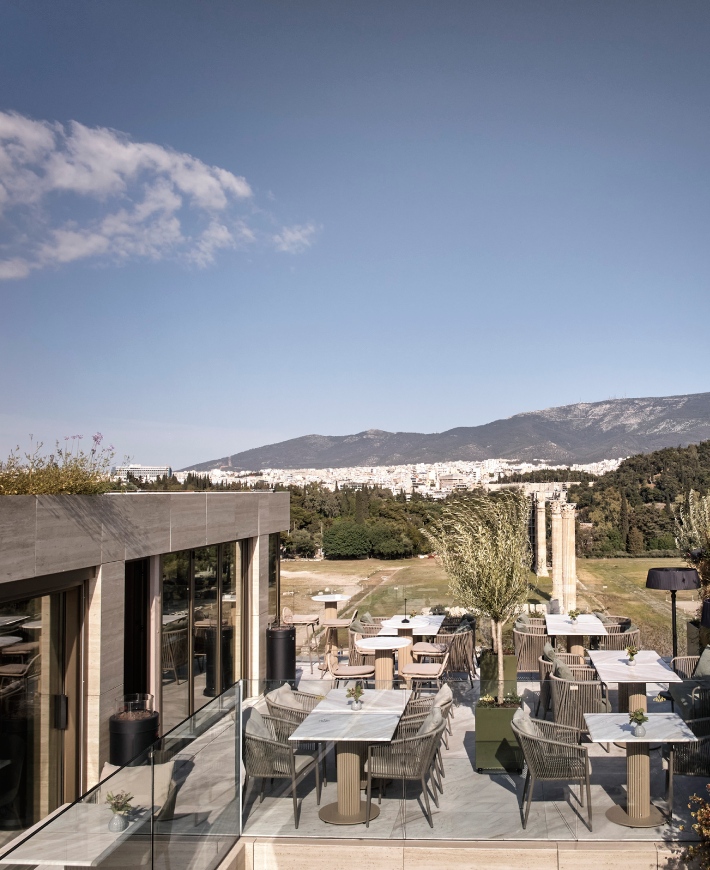
Directly across from Anthology Hotel stands the Temple of Olympian Zeus, an ancient marvel that once housed one of the largest temples in ancient Greece. Dedicated to Zeus, the king of the Olympian gods, construction began in the 6th century BC but was not completed until the reign of Emperor Hadrian in the 2nd century AD. Today, visitors can marvel at the surviving columns, which give a glimpse into the grandeur of ancient Greek architecture. The temple’s colossal scale and historical significance make it a prominent landmark in Athens, offering a unique opportunity to connect with the city’s mythological and imperial past.
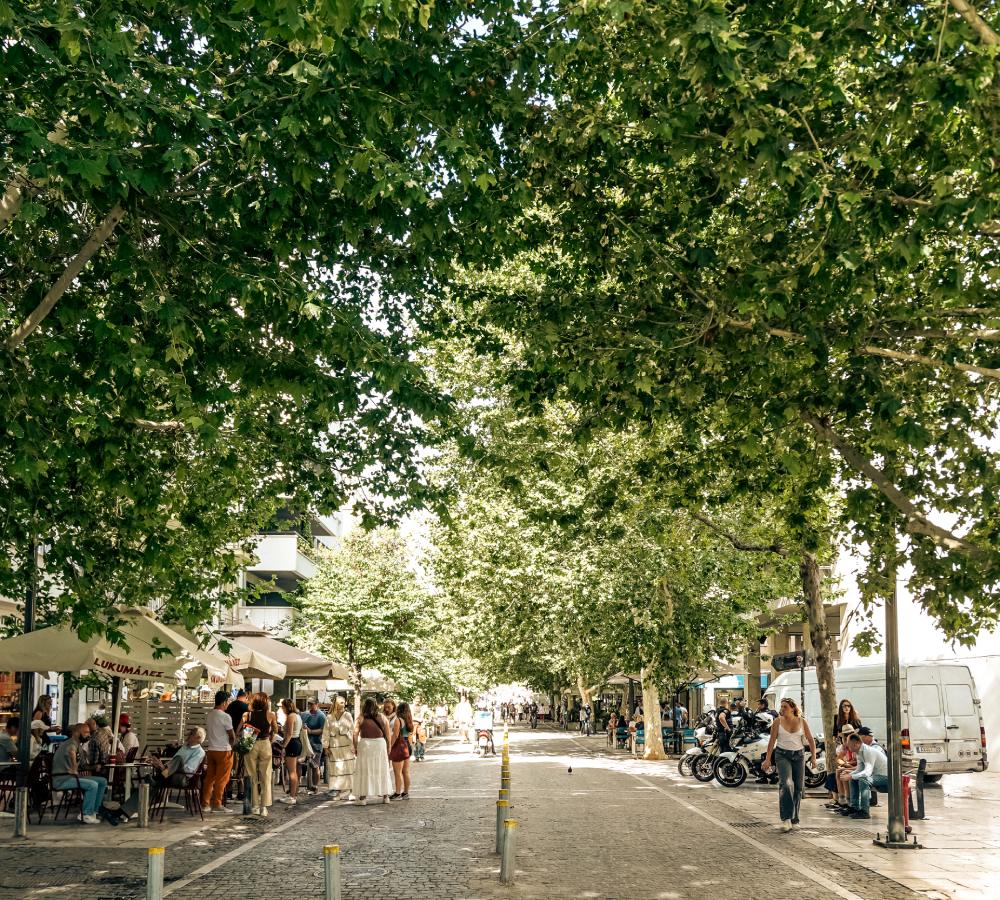
Dionysiou Areopagitou Street is a picturesque pedestrian walkway that winds its way around the southern slopes of the Acropolis. This charming street offers stunning views of the ancient citadel and connects several major archaeological sites, including the Theatre of Dionysus, the Odeon of Herodes Atticus, and the Ancient Agora. Lined with cafes, souvenir shops, and historical markers, it provides a leisurely stroll through Athens’ rich cultural heritage. Dionysiou Areopagitou is a favourite among tourists and locals alike, offering a tranquil escape from the bustling city centre while still being in close proximity to Athens’ most iconic landmarks.
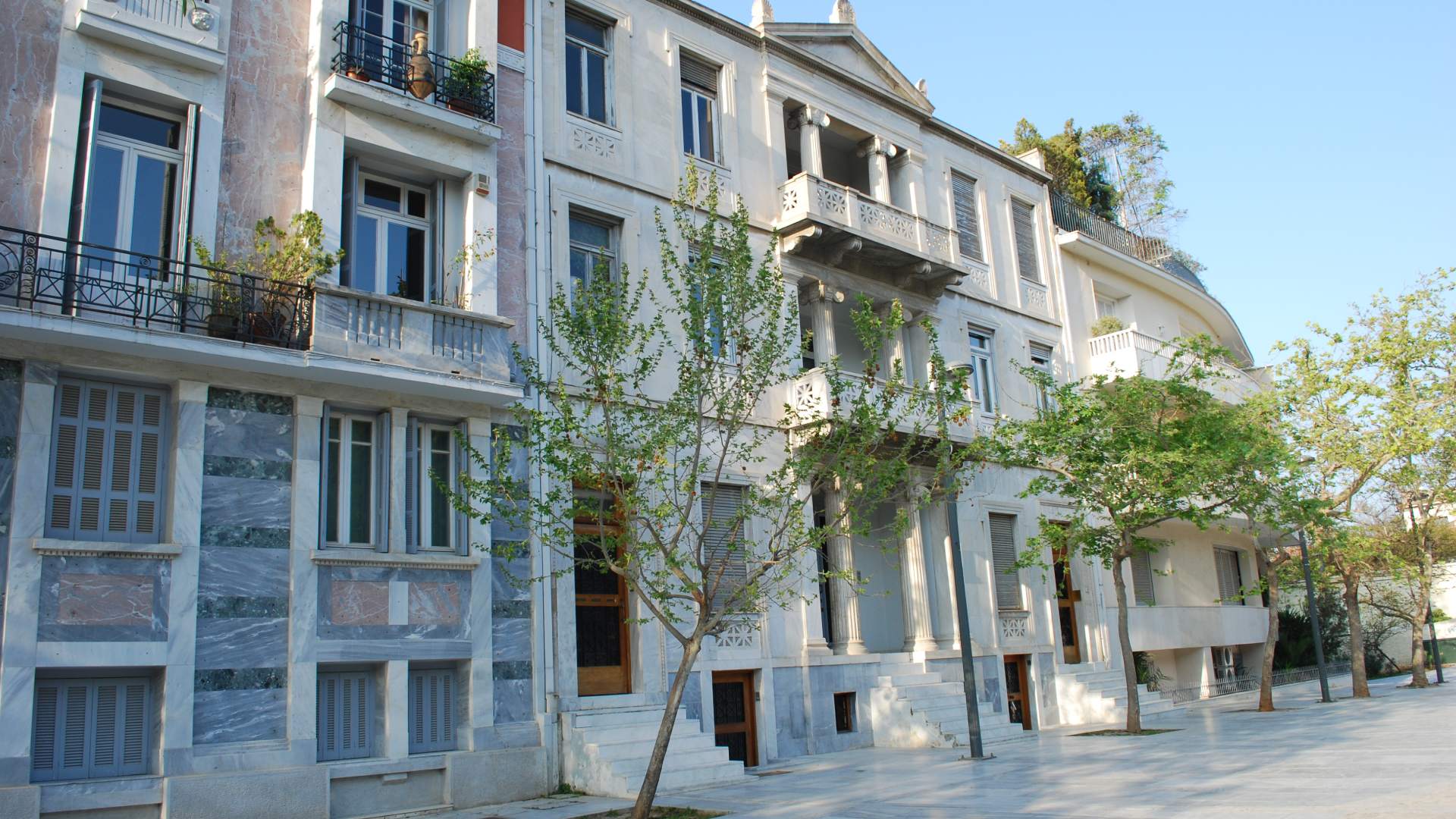
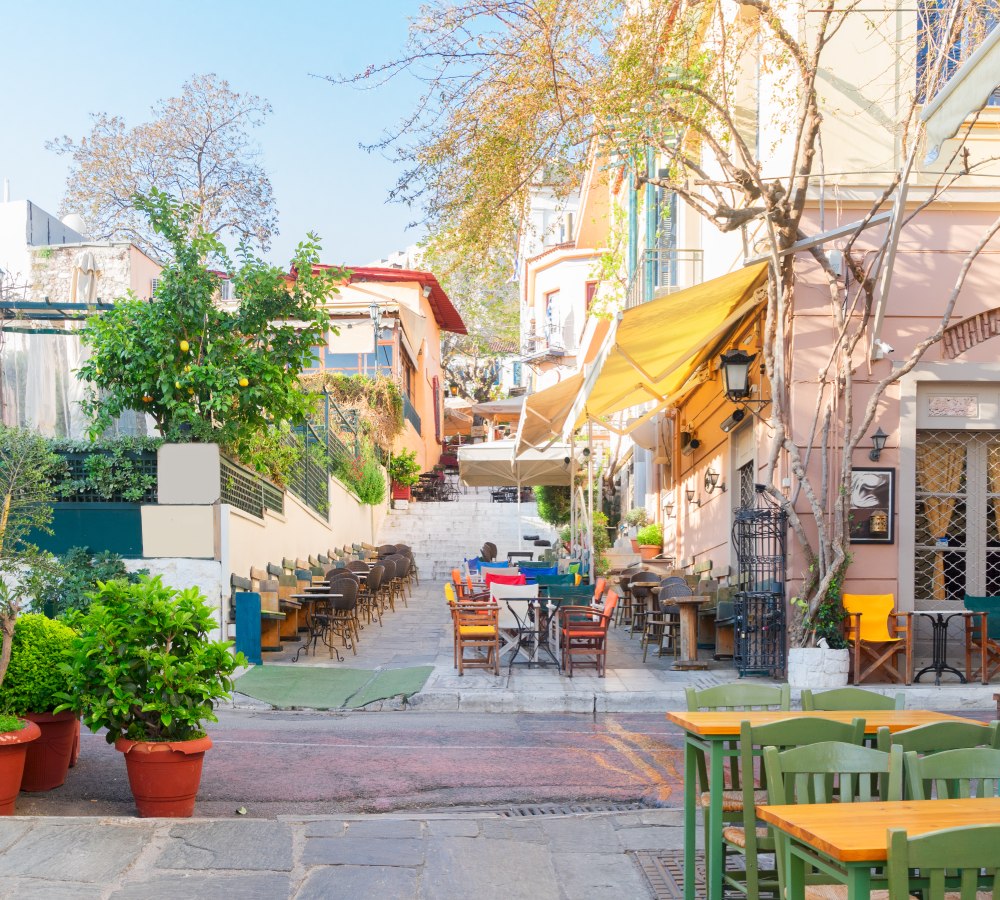
Plaka, nestled at the foot of the Acropolis, is one of Athens’ oldest and most charming neighbourhoods. Known as the “Neighbourhood of the Gods,” it features narrow, winding streets lined with neoclassical mansions, small Byzantine churches, and traditional tavernas. Plaka’s timeless beauty and historical significance attract visitors seeking to explore its archaeological sites, including the Tower of the Winds and the Roman Agora. The area also boasts picturesque squares like Adrianou and Anafiotika, a scenic enclave reminiscent of a Greek island village. With its vibrant atmosphere and proximity to the Acropolis and other ancient sites, Plaka offers a quintessential Athenian experience steeped in history, culture, and Mediterranean charm.
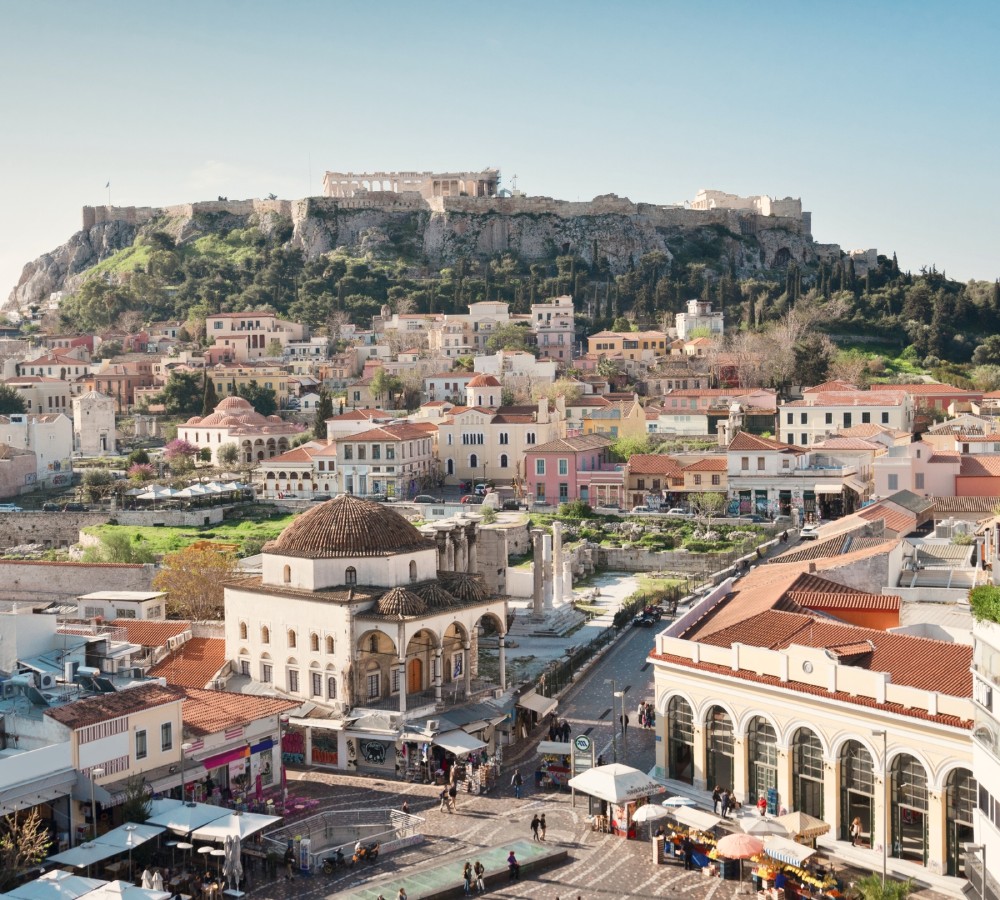
Monastiraki, meaning “little monastery” in Greek, is a lively neighbourhood situated northwest of the Acropolis. Its name derives from the Pantanassa Monastery, which once stood in the area. Today, Monastiraki is famous for its bustling flea market, where visitors can browse an array of goods including antiques, jewellery, and local crafts. The neighbourhood is also home to the ancient Hadrian’s Library and the remains of the Roman Agora, showcasing layers of history spanning different civilizations. Monastiraki Square is a central hub surrounded by cafes and restaurants offering views of the Acropolis and a lively atmosphere day and night. With its eclectic mix of ancient ruins, vibrant marketplaces, and cultural landmarks, Monastiraki remains a must-visit destination for those exploring Athens’ dynamic urban landscape.
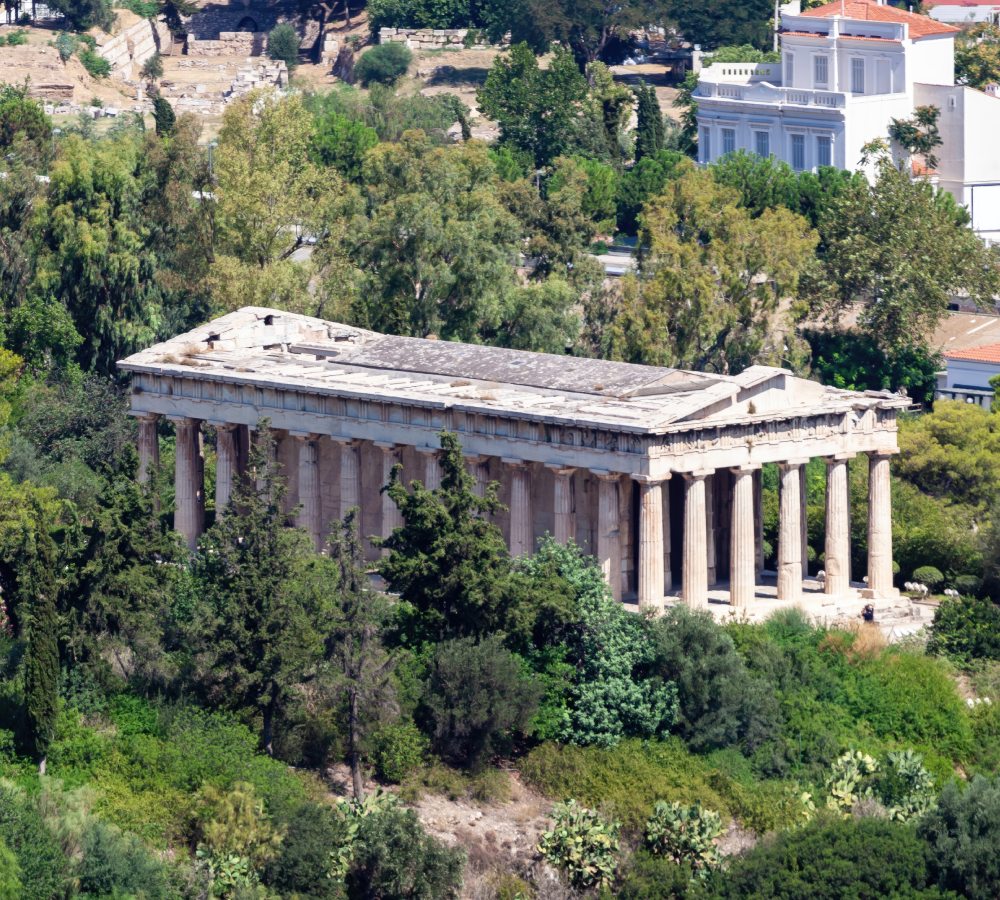
The Ancient Agora served as the political, social, and commercial heart of ancient Athens. This sprawling archaeological site includes well-preserved ruins such as the Temple of Hephaestus, the Stoa of Attalos, and the Bouleuterion (Council House). It was here that Athenian democracy took root and where Socrates engaged citizens in philosophical discourse. The Agora also hosted markets, festivals, and religious ceremonies, offering a glimpse into daily life in classical Athens. Today, visitors can explore its pathways, admire its monuments, and imagine the bustling activity that once filled its agora (marketplace).
Established in the late 19th century, the National Archaeological Museum of Athens houses an extensive collection of artifacts from various periods of Greek history. It is considered one of the greatest museums in the world dedicated to ancient Greek art and culture. Highlights include sculptures such as the Artemision Bronze (Poseidon), the Antikythera Mechanism, and the Mask of Agamemnon. The museum’s collections span from prehistoric times to late antiquity, providing a comprehensive overview of Greek civilization. Located in the Exarcheia neighbourhood, it is a must-visit for history enthusiasts and art aficionados seeking to delve deeper into Greece’s rich cultural heritage.
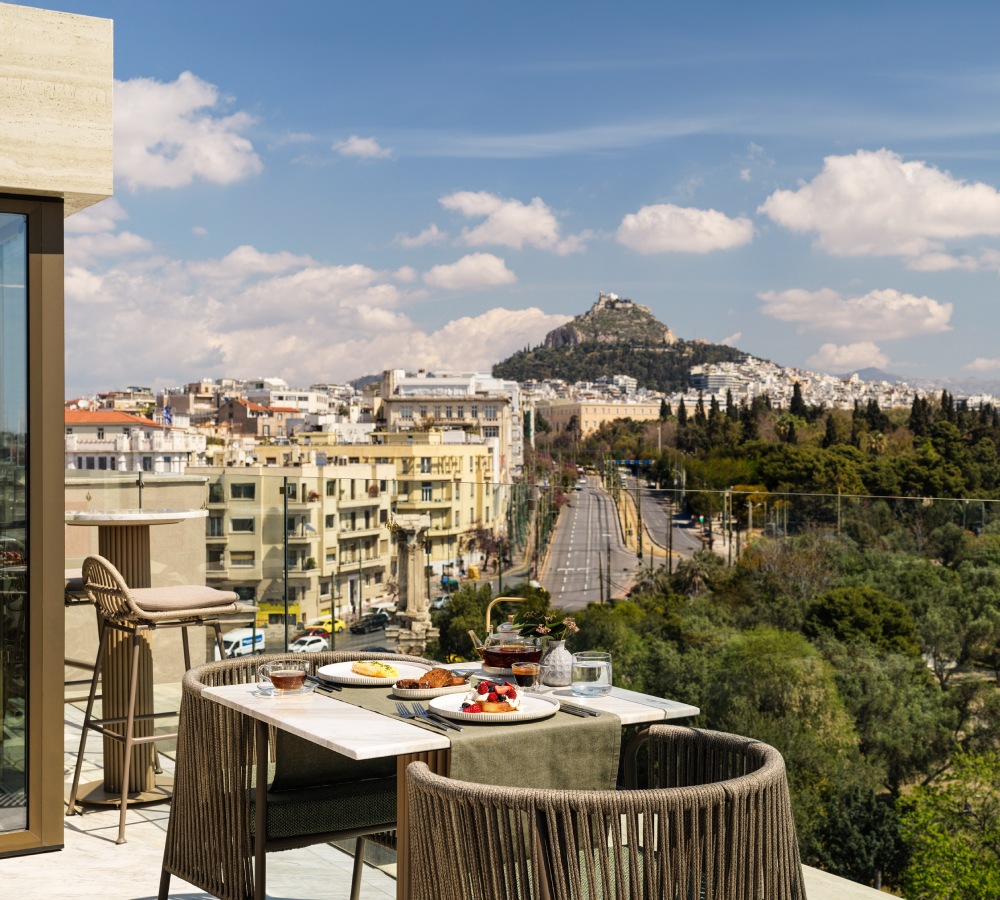
Mount Lycabettus is a limestone hill standing 278 meters above sea level, offering spectacular panoramic views of Athens and the Aegean Sea. Located in the upscale Kolonaki neighbourhood, it is accessible by a winding path, a funicular railway, or a scenic drive. At its summit sits the picturesque Chapel of St. George, where visitors can enjoy breathtaking sunsets or dine at the hilltop restaurant. Mount Lycabettus is a popular destination for both locals and tourists seeking unparalleled vistas of the sprawling city below, making it an ideal spot for photography, leisurely walks, or simply soaking in the natural beauty and serenity amidst Athens’ urban landscape.
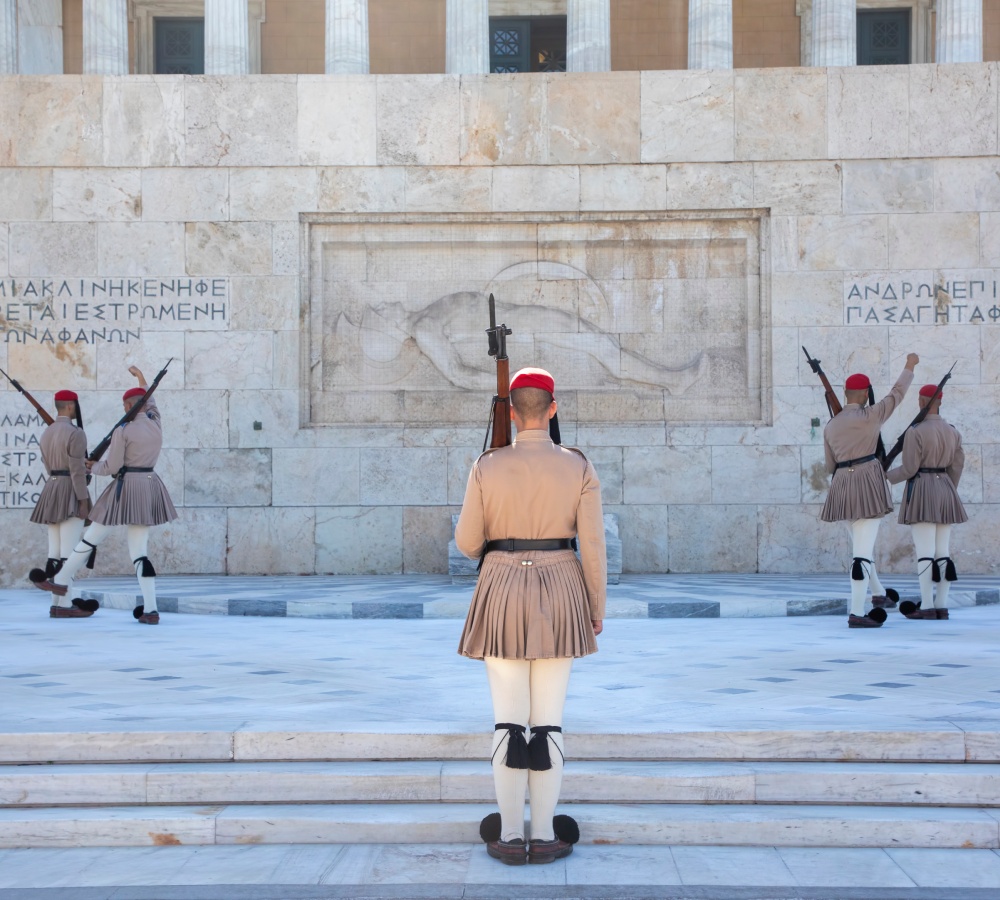
Syntagma Square, meaning “Constitution Square,” is Athens’ central square and a symbolic focal point of the city. It is bordered by important landmarks such as the Greek Parliament Building (formerly the Royal Palace), the Tomb of the Unknown Soldier, and the luxurious Grande Bretagne Hotel. The square is not only a hub for public gatherings, cultural events, and political demonstrations but also a green oasis featuring lush gardens and benches where locals and tourists alike can relax and enjoy the atmosphere. Syntagma Square is surrounded by cafes, shops, and restaurants, making it a vibrant and dynamic area that encapsulates the essence of modern Athenian life.
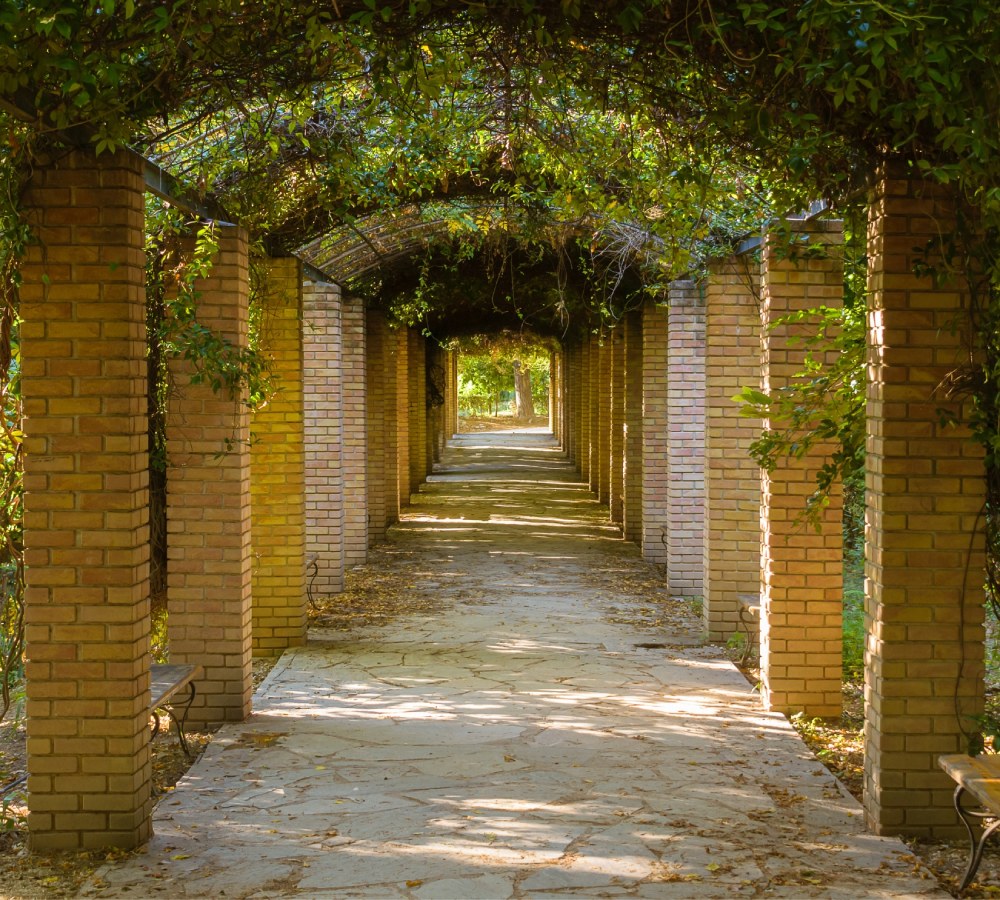
Originally designed in 1839 by Queen Amalia as the Royal Garden, this verdant oasis covers 15.5 hectares in the heart of Athens. Renamed the National Garden after it opened to the public in 1923, it features a diverse collection of plants, trees, and flowers from around the world. The garden also includes archaeological remains, charming pathways, ponds with ducks and turtles, as well as neoclassical buildings such as the Zappeion.